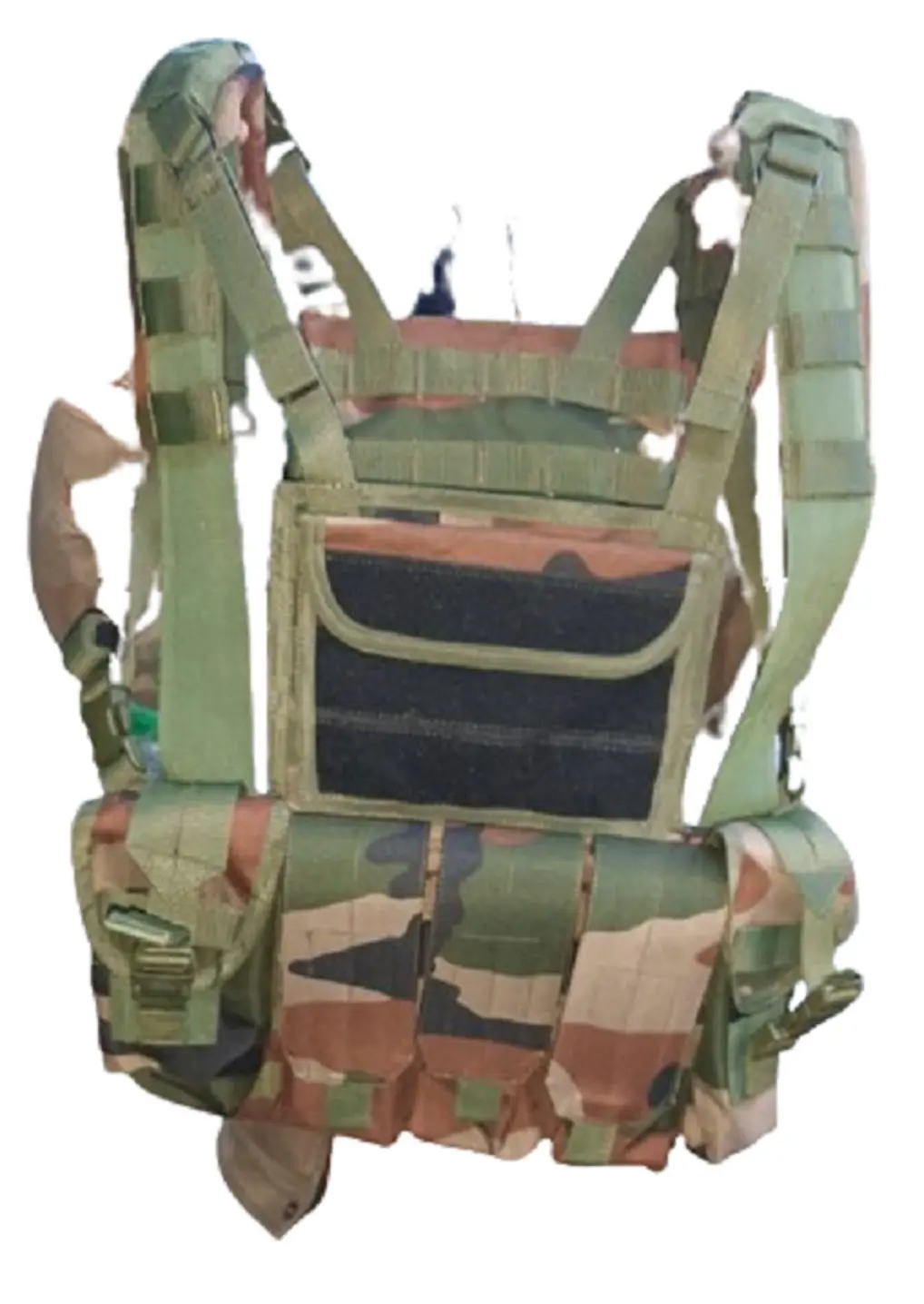
Bullet Resistant Vest & Bullet Vest
Bullet Resistant Vest
Bullet resistant vest, also known as ballistic vest or body armour, are made from multiple layers of high-strength material and have various specifications:
| Material | Kevlar, Dyneema, Polyethylene (Kevlar is lighter than steel). |
|---|---|
| Protection | Bullet resistant vest should provide 360-degree protection and be able to withstand multiple hits. |
| Flexibility | The vest should be flexible enough to allow for freedom of movement and a snug fit |
| Closure | The vest can have a zip or Velcro closure |
| Emergency release | The vest should have a quick-release mechanism in case of an emergency |
| Comfort | The vest should be adjustable for comfort and loading-bearing capability |
| Water resistance | Some vests are encased in water-resistant nylon to prevent liquids or humidity from entering |
| Ballistic resistance standards | The National Institute of Justice (NIJ) has standards for ballistic resistance, including NIJ Standard-0101.07, which outlines testing procedures, and NIJ Standard-0123.00, which describes ballistic protection levels. |
Protection Level
| Class | Weapon / Ammuntion | Range | Velocity | Shots |
|---|---|---|---|---|
| B2 | 9mm | 5 | 400m/s | 3 |
| B3 | 357 magnum | 5 | 430m/s | 3 |
| B4 | 44 magnum | 5 | 440m/s | 3 |
Bullet Resistant Vest (Stab proof) :
The selection of materials is critical in the effectiveness of stab vest. High performance fabrics, such as aramid fibres (Kevlar) or ultra-high-molecular-weight polyethylene (Dyneema), are commonly used due to their exceptional strength and resistance to knife penetration.
Bullet Resistant Vest (Heat proof) :
| Material | Kevlar |
|---|---|
| Protection | The vest should protect against heat, water.. |
| Fabric weight | The fabric weight should be at least 95 grams per square meter |
| Closure | The vest can have a zip or Velcro closure |
| Breathability | The vest should be breathable and comfortable. |
| Testing | The vest should be tested for its ability to withstand heat, water |
Bullet Resistant Vest
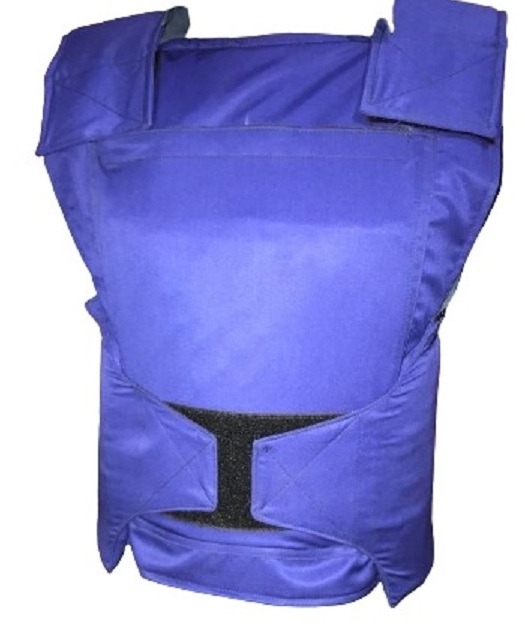


Stab proof Vest
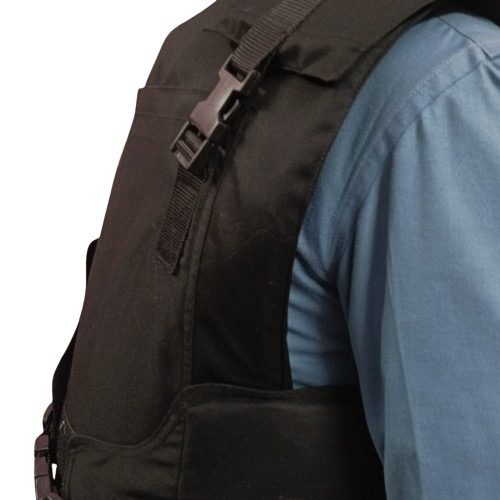


Vest
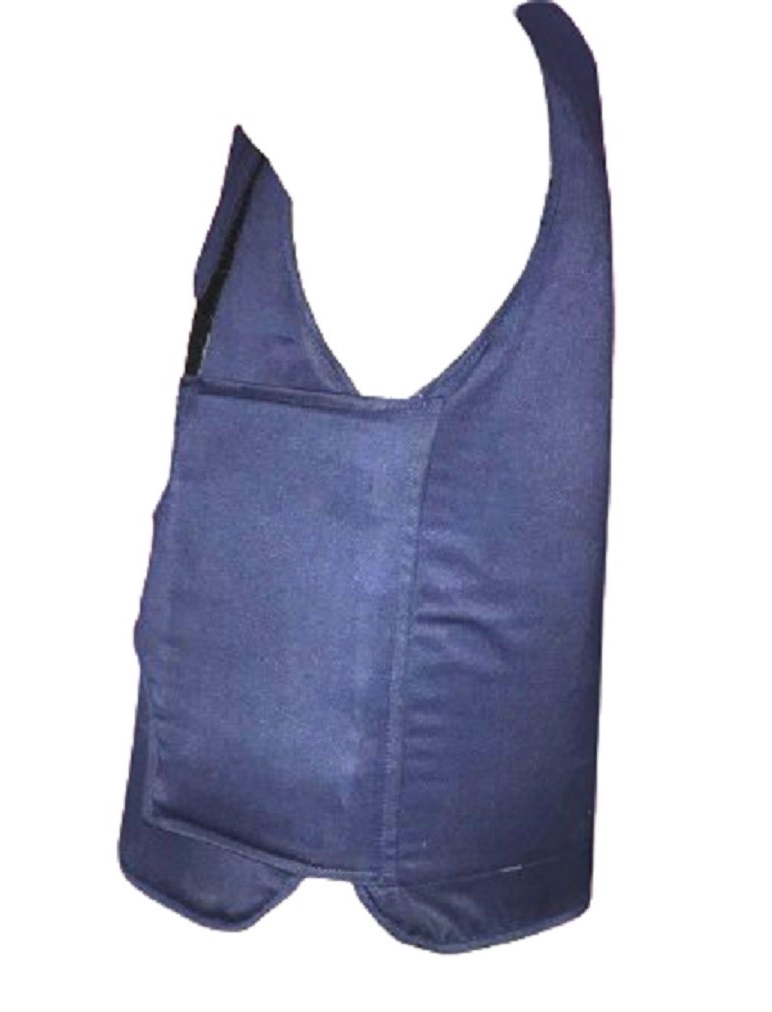
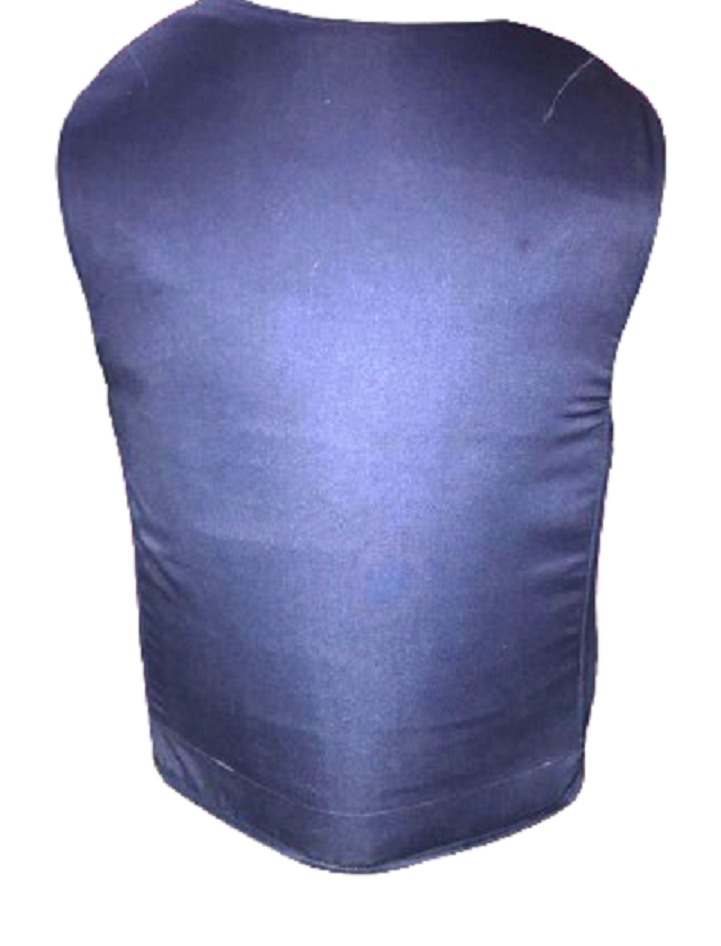
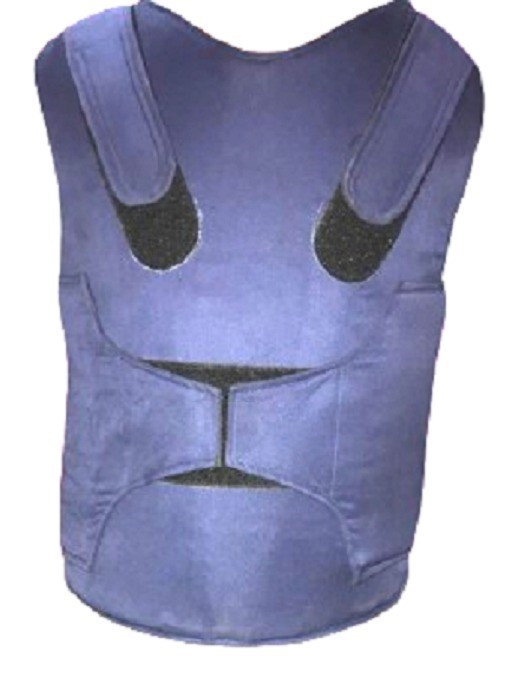
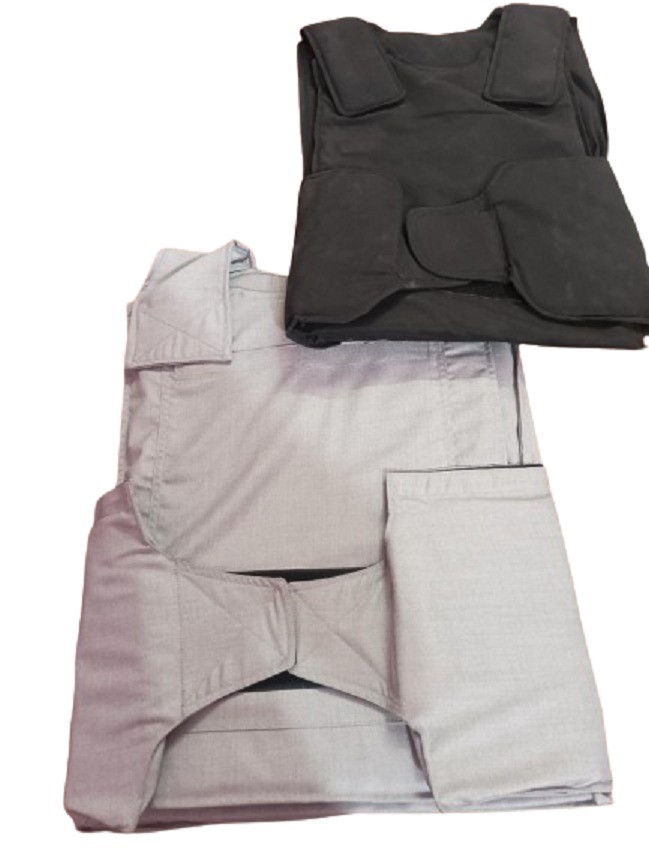

Bullet Resistant Vest (Stab proof)
The selection of materials is critical in the effectiveness of stab vest. High- performance fabrics, such as aramid fibres (Kevlar) or ultra-high-molecular-weight polyethylene (Dyneema), are commonly used due to their exceptional strength and resistance to knife penetration.
* These vests are designed to be heat and waterproof, ensuring maximum durability and protection in challenging environments.
Bullet Resistance Jacket
Level III
Level III+
Level IV